Organizational Structure
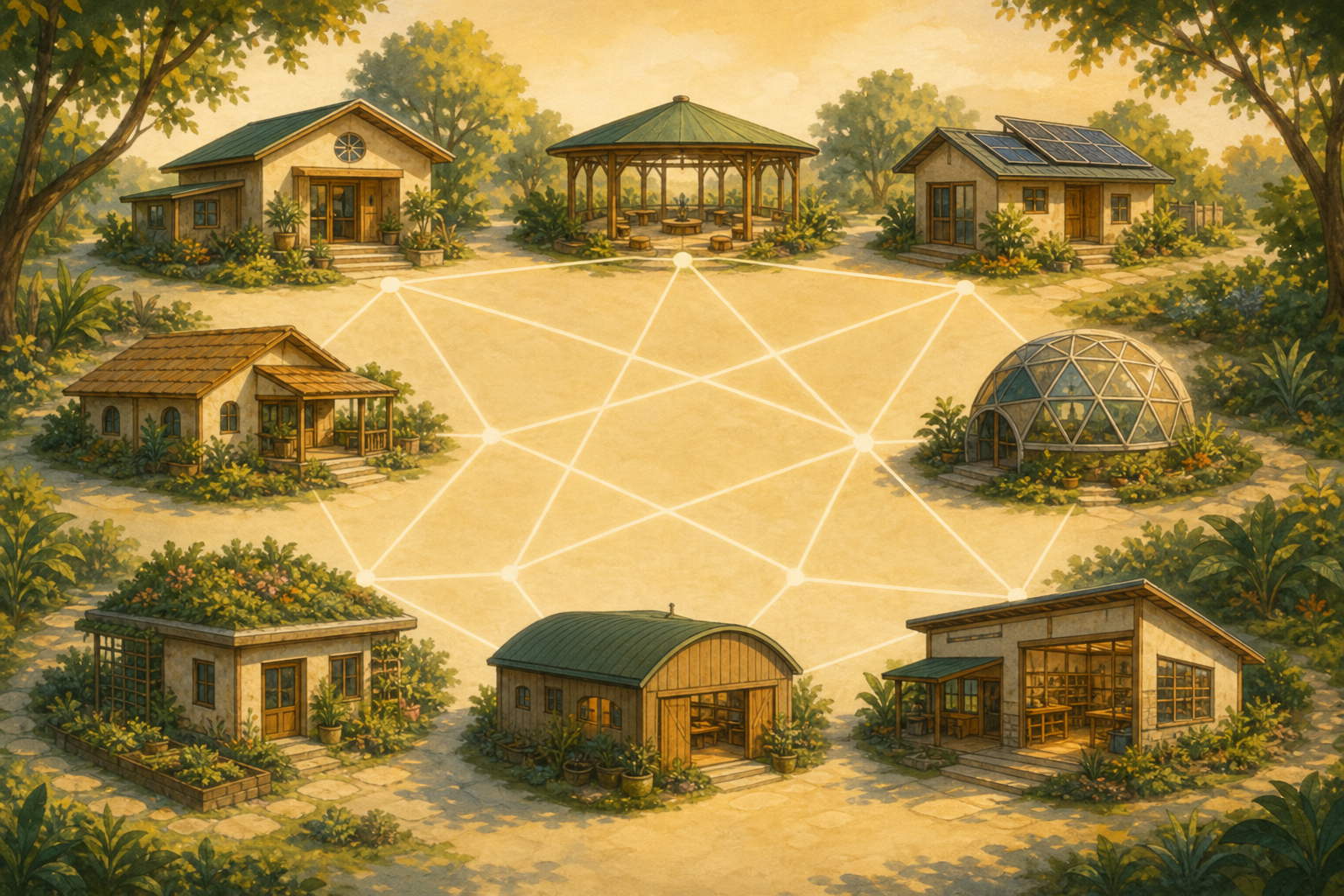
Decentralized Autonomous Organization (DAO):
For shared cooperative infrastructure, Saba uses a decentralized organization model so active participants can engage in decisions that affect the body as a whole. Authority over affiliated offerings remains with each offering — Saba does not centrally govern independent projects. Where the DAO applies, we aim for transparency, consent-based process, and distributed voice rather than top-down control.
Sociocratic circles:
Saba uses sociocratic circles for collaborative decision-making on shared matters. Within these circles, participants discuss proposals, raise concerns, and seek consent — not unanimity at all costs. Sociocracy here supports practical coordination: shared values, shared visibility, shared tools — without absorbing affiliated offerings into one hierarchy.
N Street Consensus
We acknowledge that within circles participants may hold conflicting desires and motivations. To address these divergences, we use the N Street Consensus method. Unlike traditional consensus decision-making processes, our approach doesn't necessitate unanimity for consensus. Instead, it prioritizes hearing from all active participants, allowing for clarifying questions, expressing concerns, and refining proposals collaboratively. When faced with disagreements, participants blocking a proposal engage in solution-oriented, consensus-building meetings with small groups to develop alternative proposals that address underlying concerns. This method fosters inclusivity and empowers all voices within our cooperative framework, ensuring that decisions are made collectively and with mutual respect.